 Bridge Construction Hub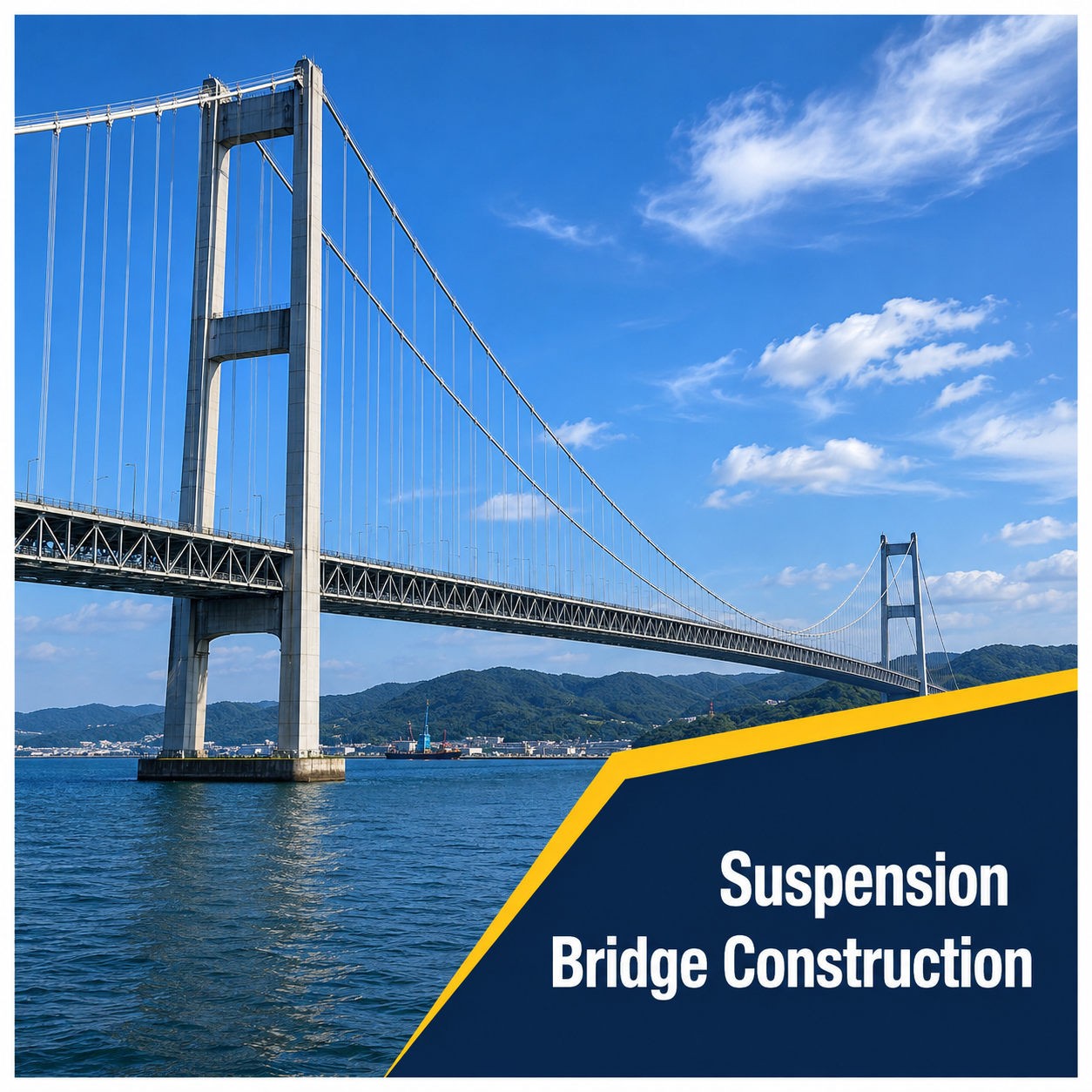
Suspension Bridge Construction
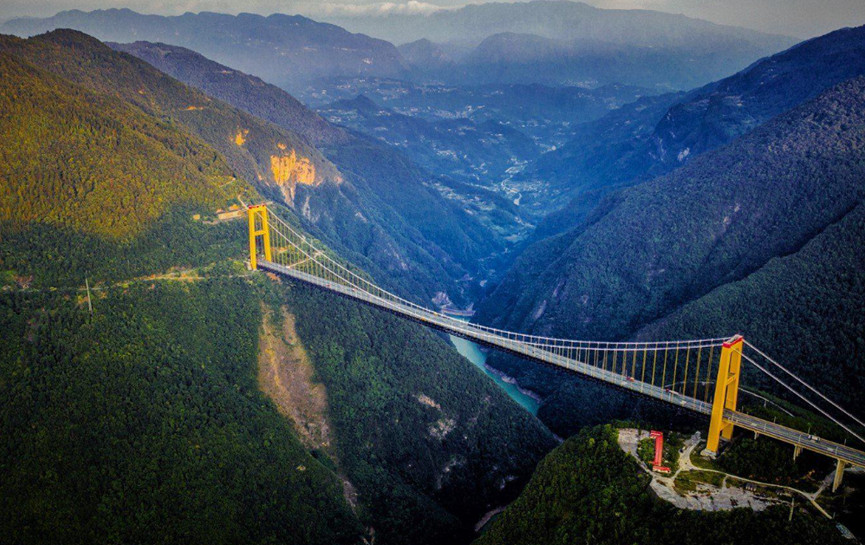
Suspension Bridge Construction is a highly specialized bridge construction method designed for crossing extremely long distances such as wide rivers, deep valleys, coastal channels, and sea crossings. The bridge deck is supported by high-strength suspension cables anchored at both ends and carried by massive bridge towers, providing exceptional spanning capability with excellent structural efficiency.
Compared with conventional beam bridges, suspension bridges can achieve much longer main spans while minimizing the number of intermediate supports. Their flexible structural system reduces foundation requirements in deep water or difficult terrain, making them the preferred solution for landmark infrastructure and major transportation corridors. Successful construction requires advanced engineering technologies, precise surveying, heavy lifting equipment, cable spinning systems, and strict quality control throughout every construction stage.
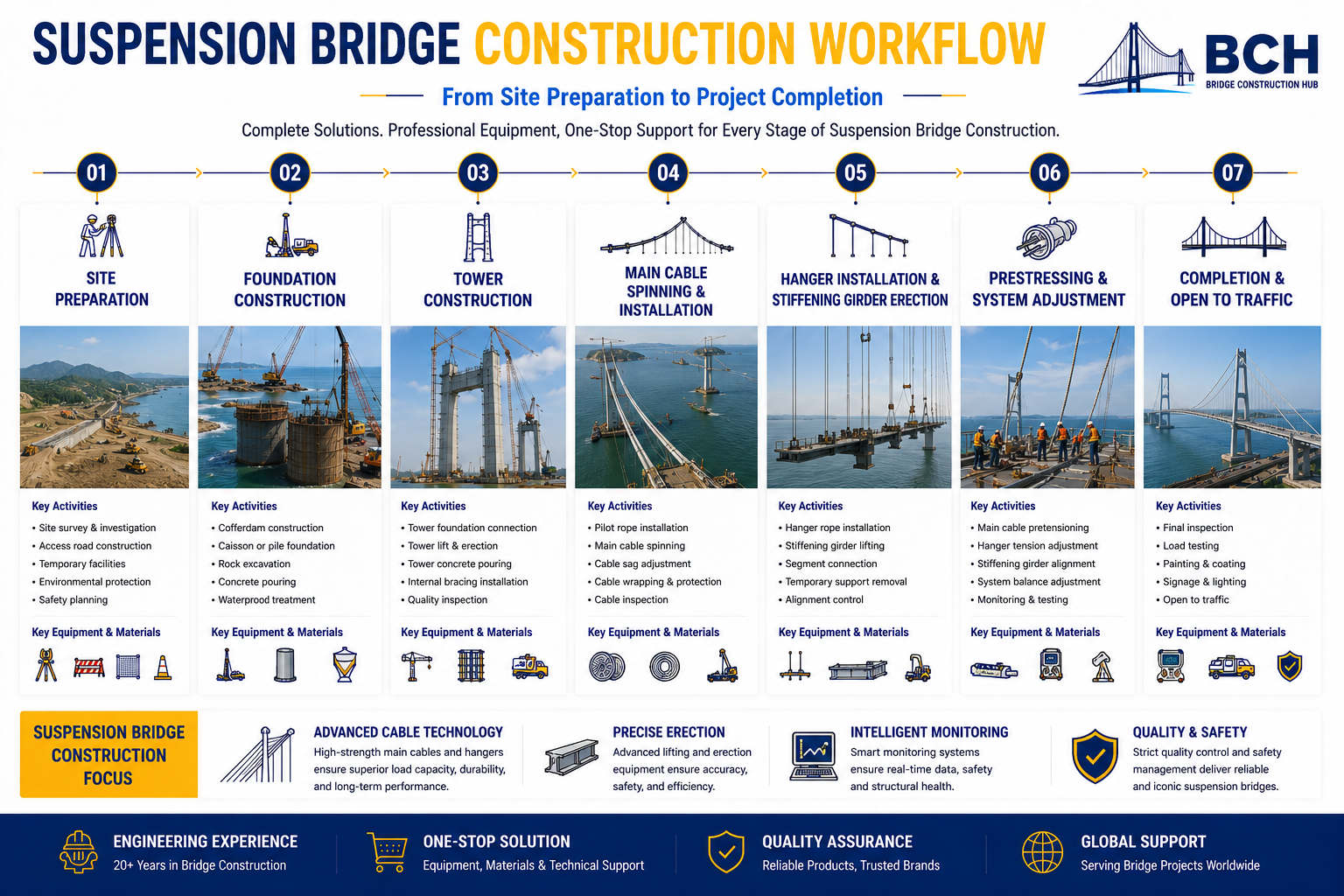
1. Site Preparation
Keywords
Bridge site survey
Temporary access roads
Marine working platform
Construction yard
Description
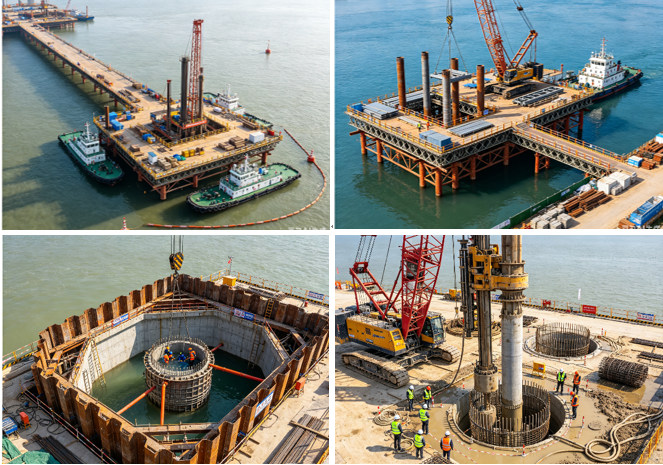
Suspension bridge construction begins with detailed site investigation and comprehensive project preparation. Since most suspension bridges span wide rivers, deep valleys, or coastal areas, extensive temporary facilities are required before permanent construction starts.
Main Activities
Topographic and geotechnical survey
Temporary access road construction
Marine platform and working dock installation
Construction camp and equipment mobilization
Environmental protection measures
Key Considerations
Safe access for heavy equipment
Marine traffic management
Temporary facility stability
Environmental compliance
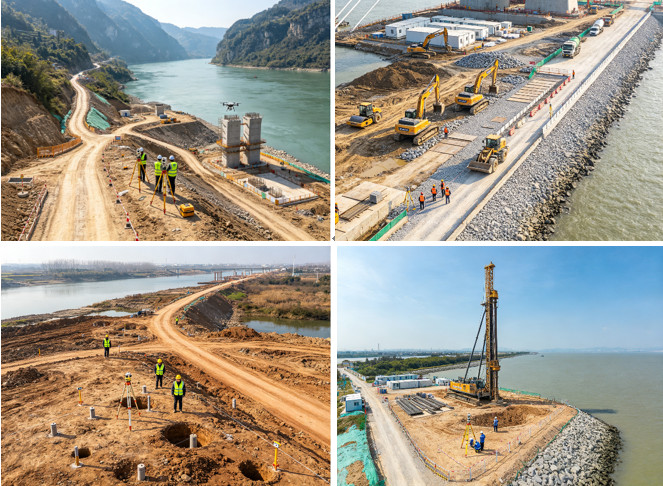
2. Foundation Construction
Keywords
Large diameter bored piles
Caisson foundation
Cofferdam construction
Deep foundation
Description
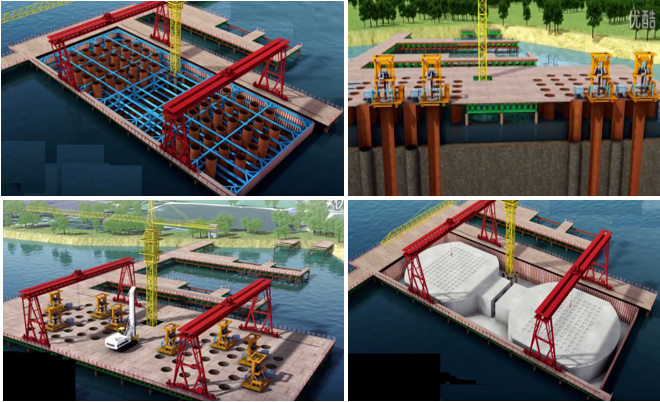
The foundations of suspension bridges carry enormous vertical and horizontal loads transmitted from the towers and main cables. Depending on geological conditions, bored piles, caissons, or open foundations may be adopted.
Main Activities
Bored pile drilling
Reinforcement cage installation
Concrete pouring
Cofferdam construction
Foundation cap construction
Key Considerations
High bearing capacity
Accurate pile positioning
Concrete quality control
Underwater construction safety
3. Pier Construction
Keywords
Suspension bridge tower
Reinforced concrete tower
Steel tower erection
Slip form construction
Description
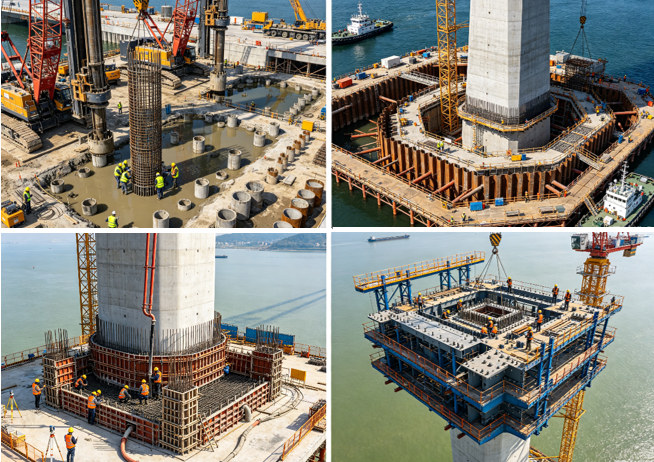
Unlike ordinary bridges, suspension bridges use massive towers instead of conventional piers. The towers support the main cables and transfer loads to the foundations.
Main Activities
Tower foundation connection
Reinforcement installation
Formwork climbing
Concrete pouring
Steel tower assembly (if applicable)
Key Considerations
Vertical alignment accuracy
Wind resistance during construction
High-altitude safety
Structural stability
4. Girder Installation
Keywords
Steel box girder erection
Cable crane lifting
Floating crane installation
Segment connection
Description
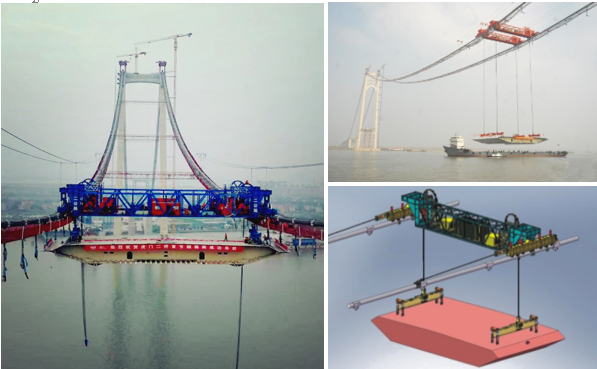
After the main cable system is completed, steel box girder segments are transported and lifted into position. Each segment is connected sequentially to form the bridge deck.
Main Activities
Segment transportation
Heavy lifting operation
Temporary support installation
Segment alignment
Bolting and welding connection
Key Considerations
Precise segment positioning
Wind speed monitoring
Temporary stability control
Safe lifting procedures
5.Cable Installation
Keywords
Main cable spinning
Hanger cable installation
Cable tension adjustment
Structural alignment
Description
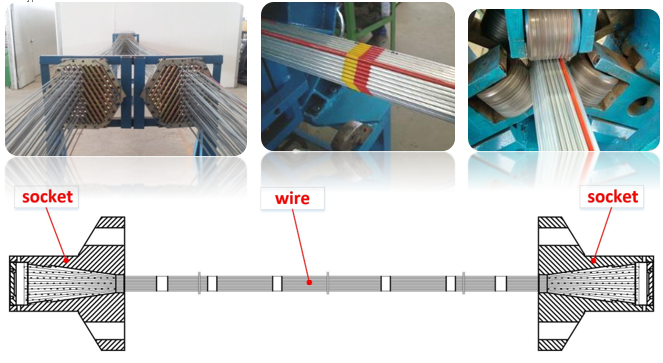
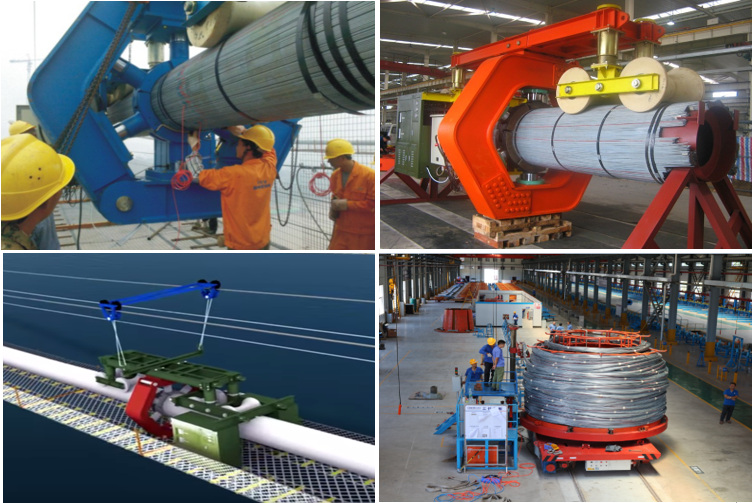
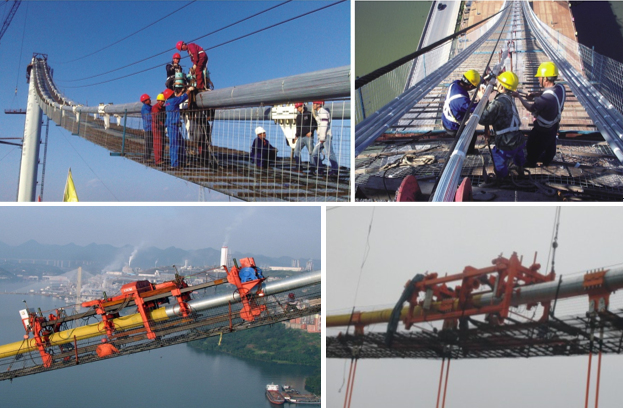
Suspension bridges do not use prestressing in the same way as prestressed concrete bridges. Instead, the critical process involves constructing the main cables, installing hanger cables, and adjusting cable forces to achieve the designed bridge profile.
Main Activities
Main cable spinning or installation
Cable compaction
Hanger installation
Cable force adjustment
Structural geometry measurement
Key Considerations
Accurate cable tension
Uniform load distribution
Continuous monitoring
Temperature compensation
6. Deck Construction
Keywords
Orthotropic steel deck
Deck pavement
Expansion joint
Bridge drainage
Description
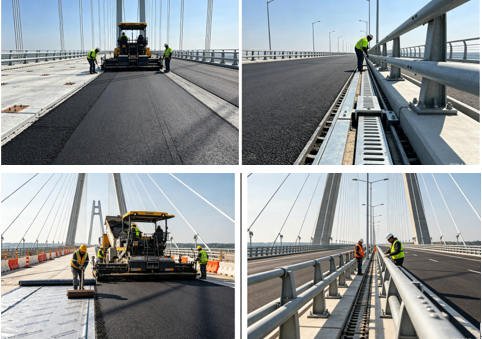
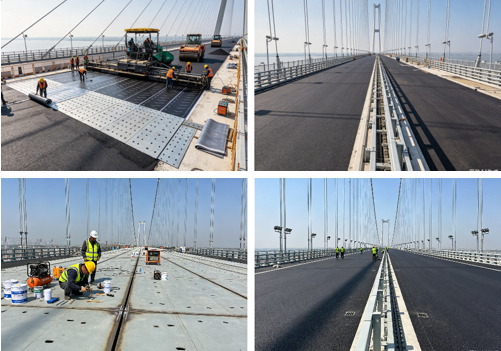
Once the steel girder system is completed, the bridge deck is finished with pavement, waterproofing, expansion joints, barriers, lighting, and drainage systems.
Main Activities
Deck welding inspection
Waterproof membrane installation
Asphalt paving
Expansion joint installation
Barrier and lighting installation
Key Considerations
Waterproof performance
Smooth deck profile
Durable pavement system
Drainage efficiency
7. Completion
Keywords
Load testing
Cable force inspection
Final bridge inspection
Bridge commissioning
Description
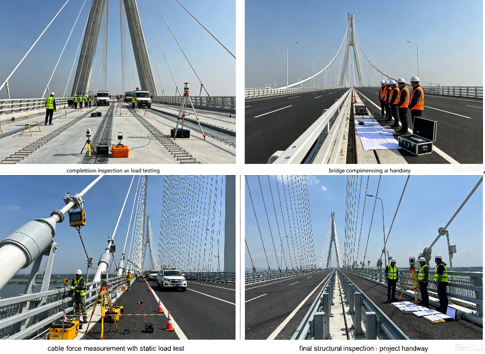
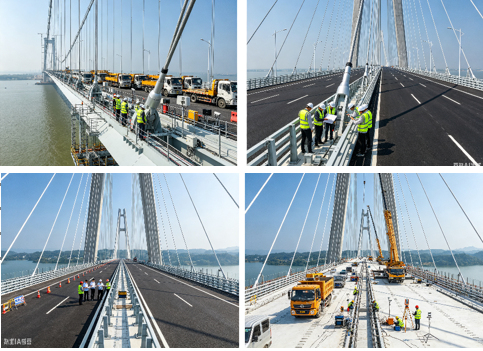
After construction is completed, the suspension bridge undergoes comprehensive inspections, cable force verification, load testing, and commissioning before opening to traffic.
Main Activities
Static load test
Dynamic load test
Cable force measurement
Final structural inspection
Project handover
Key Considerations
Structural safety verification
Cable force accuracy
Bridge deflection monitoring
Long-term durability evaluation