 Bridge Construction Hub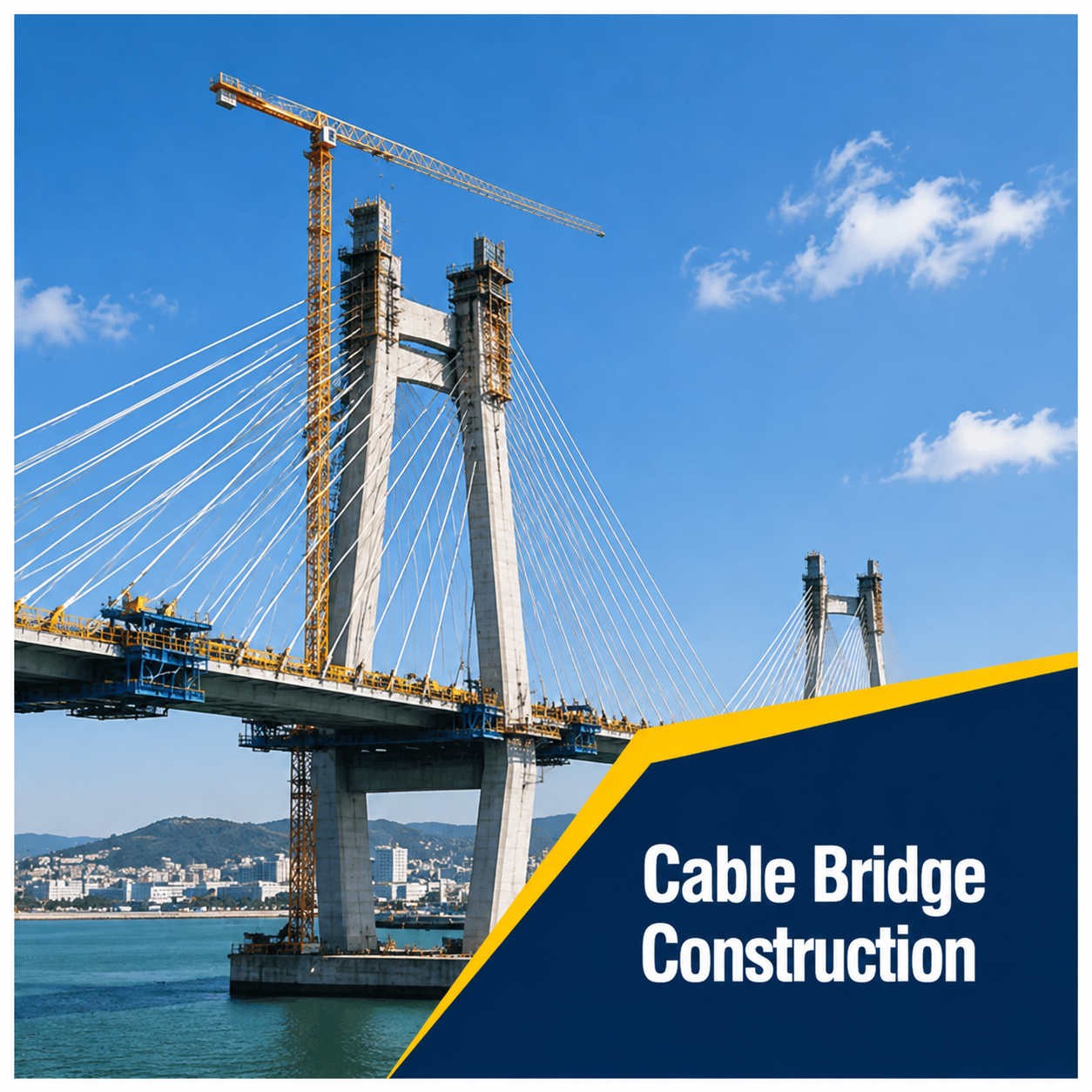
Cable-Stayed Bridge Construction
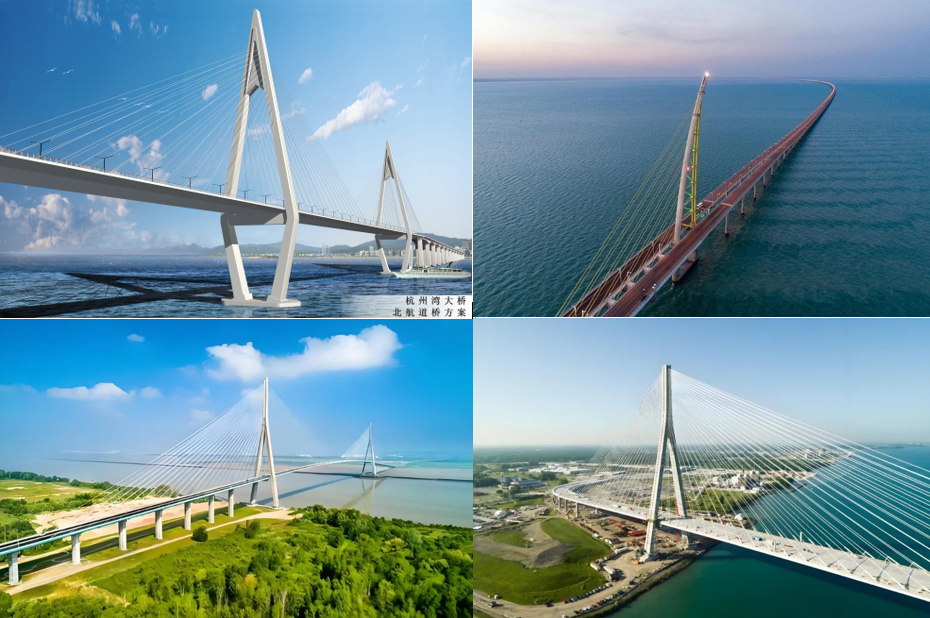
Cable-stayed bridges are one of the most advanced long-span bridge systems used in modern infrastructure development. They use high-strength stay cables connected between the bridge deck and towers to transfer structural loads, providing excellent load-carrying capacity, architectural appearance, and construction flexibility.
Compared with traditional bridge structures, cable-stayed bridges can achieve longer spans with fewer piers, making them highly suitable for wide rivers, deep valleys, highways, railways, and urban crossings where large clearances are required.
The main advantages of cable-stayed bridge construction include efficient structural performance, reduced foundation requirements, flexible span arrangements, and outstanding visual impact. Through advanced construction technologies such as balanced cantilever erection, cable installation, and hydraulic tensioning systems, cable-stayed bridges can be constructed safely and efficiently under complex site conditions.
However, due to their large scale, complex cable systems, and strict structural control requirements, cable-stayed bridge projects require precise planning, advanced construction equipment, and continuous structural monitoring throughout the construction process.
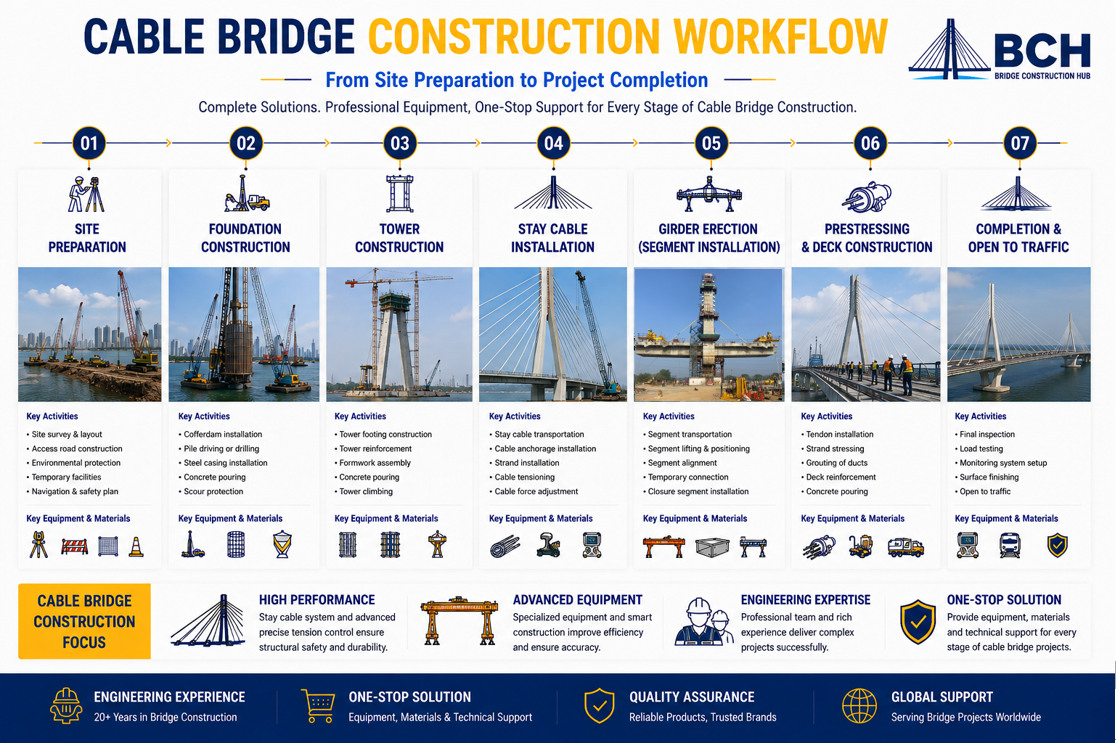
The following sections introduce the major construction stages of cable-stayed bridge development, from site preparation to final completion.
1. Site Preparation
Keywords
• Large-scale bridge site
• Temporary facilities
• Construction planning
Description
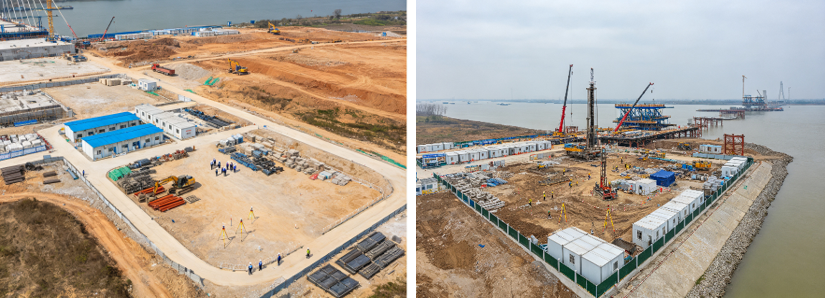
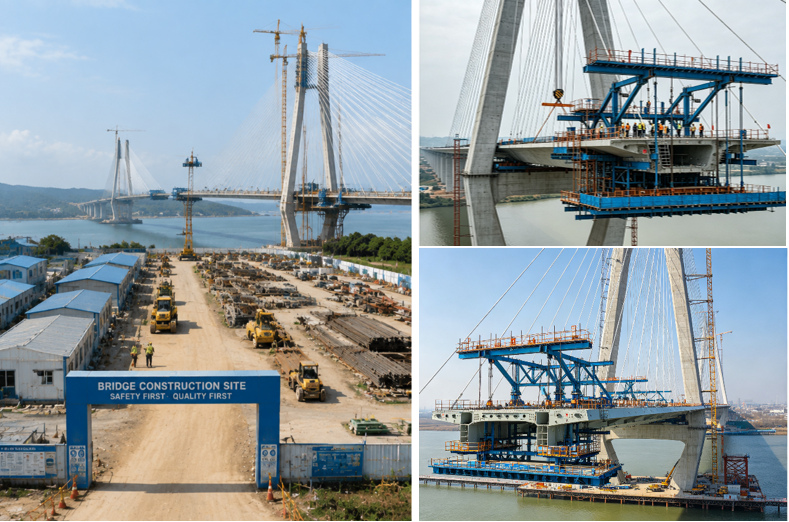
Cable-stayed bridge projects require extensive preparation due to their large span, complex structure, and high construction requirements.
Main activities include
• Establishing construction areas and access roads
• Installing temporary facilities and working platforms
• Setting up lifting equipment and construction systems
• Conducting geological investigation and site preparation
Key Considerations:
• Ensure safe operation of large construction equipment
• Prepare efficient construction logistics
• Establish accurate construction control systems
2. Foundation Construction
Keywords
• Deep foundation
• Large pile system
• Underwater construction
Description
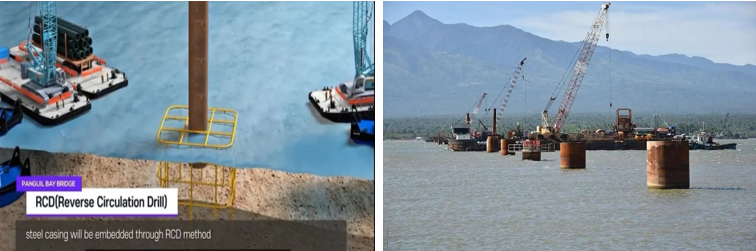
The foundation system provides strong support for the bridge towers and main structures. Cable-stayed bridges usually require deep and high-capacity foundations.
Main activities include:
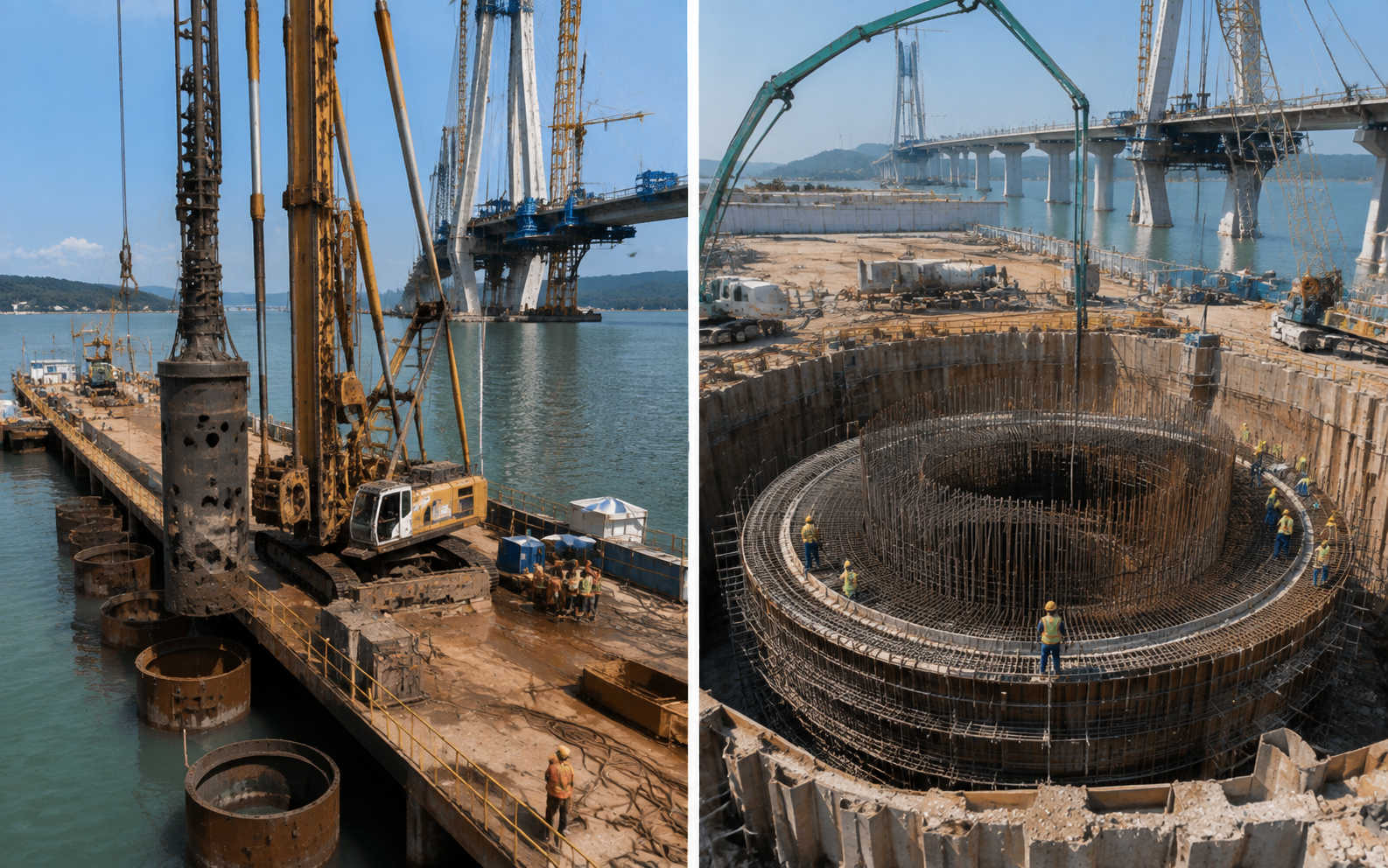
• Large diameter bored pile construction
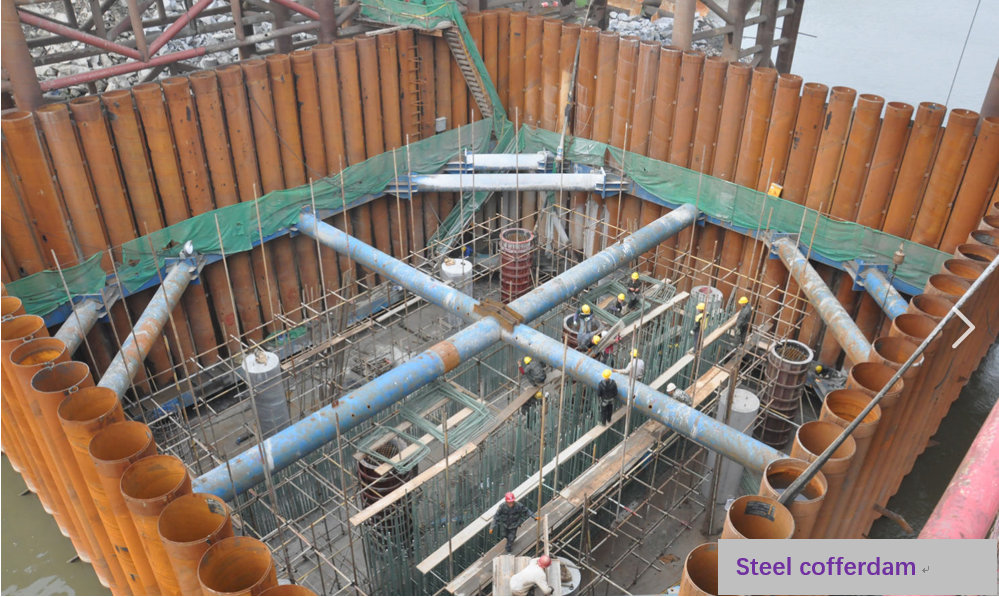
• Foundation excavation and reinforcement installation
• Concrete pouring and foundation testing
• Construction of pile caps and tower foundations
Key Considerations
• Ensure high bearing capacity
• Control foundation deformation
• Maintain long-term structural stability
3. Pier & Tower Construction
Keywords
• Cable-stayed tower
• High-rise concrete structure
• Climbing formwork
Description
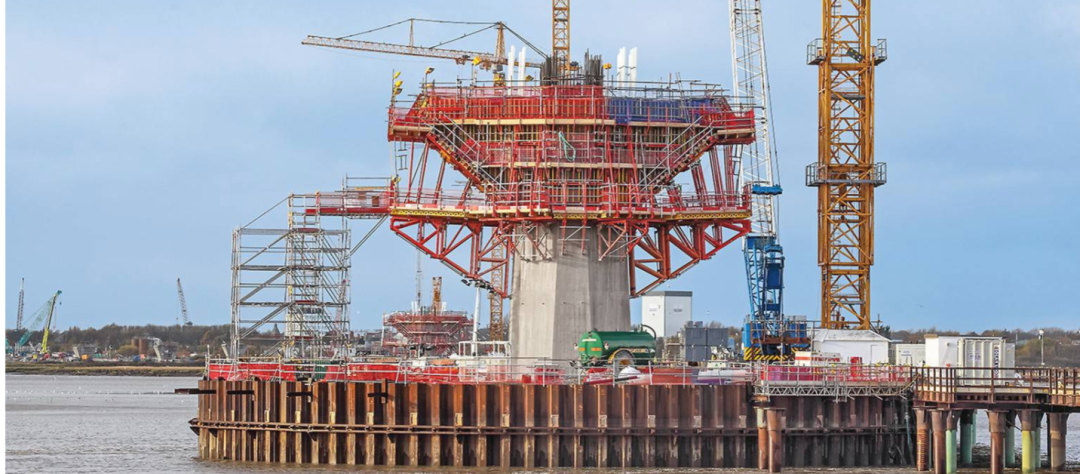
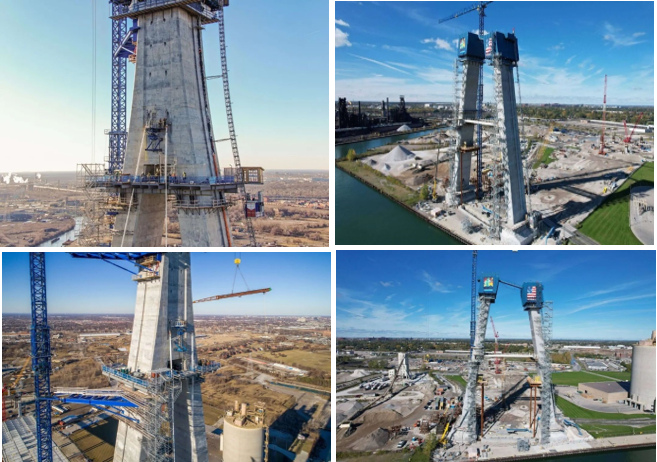
The bridge towers are the key structural components that support the stay cables and transfer loads to the foundations.
Main activities include
• Tower reinforcement installation
• Climbing formwork operation
• High-strength concrete pouring
• Tower alignment measurement and adjustment
Key Considerations
• Precise vertical control of towers
• High-quality concrete construction
• Safe high-altitude operations
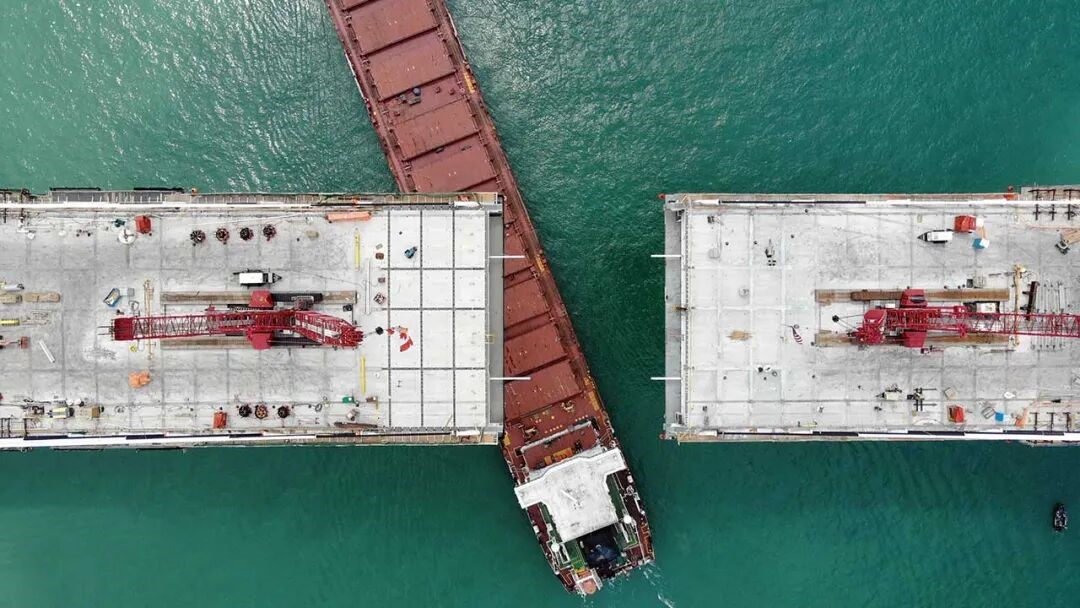
4. Girder Installation
Keywords
• Segment erection
• Balanced cantilever method
• Heavy lifting equipment
Description
The main girder construction connects the bridge span with the towers. Different erection methods are selected according to bridge design and site conditions.
Main activities include:
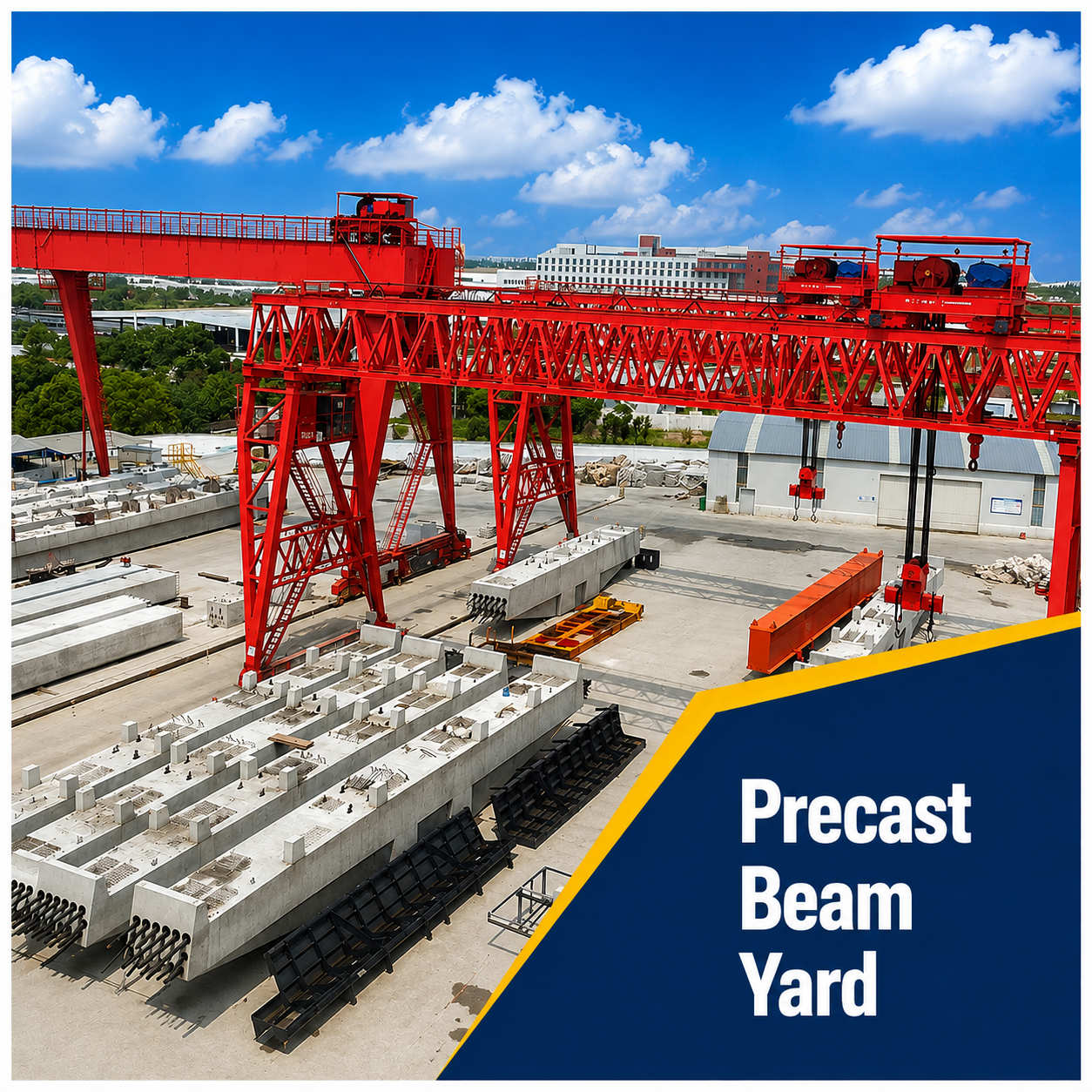
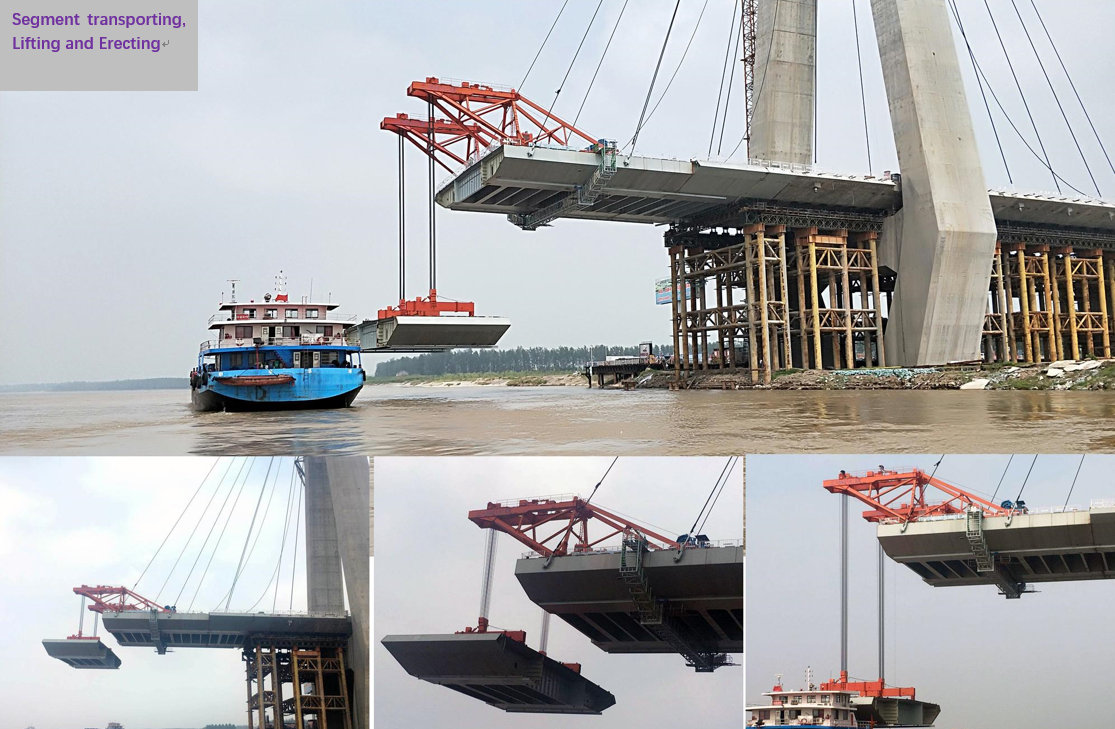
• Precast segment transportation and lifting
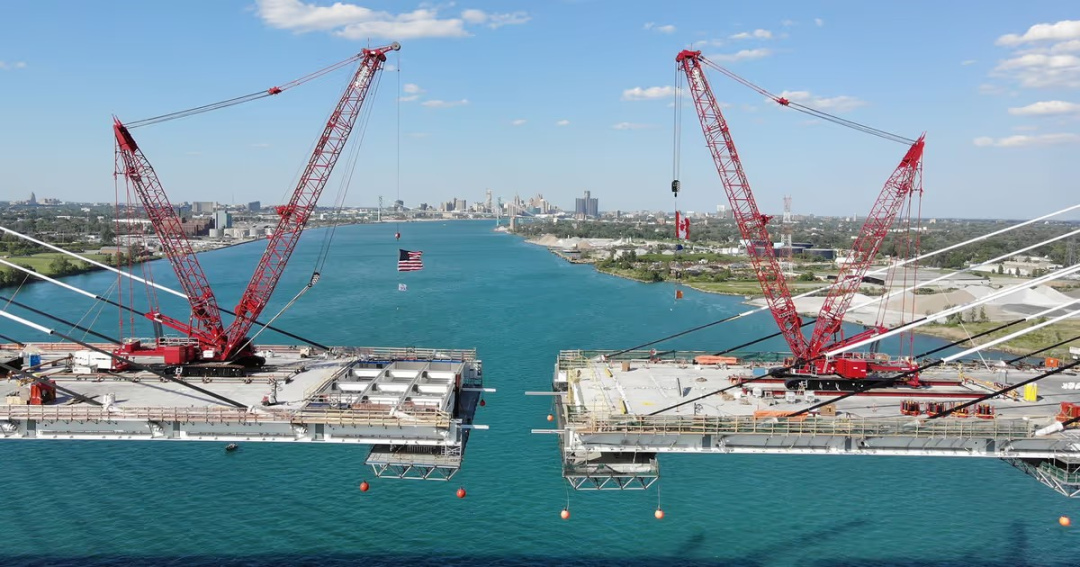
• Balanced cantilever erection
• Girder alignment and connection
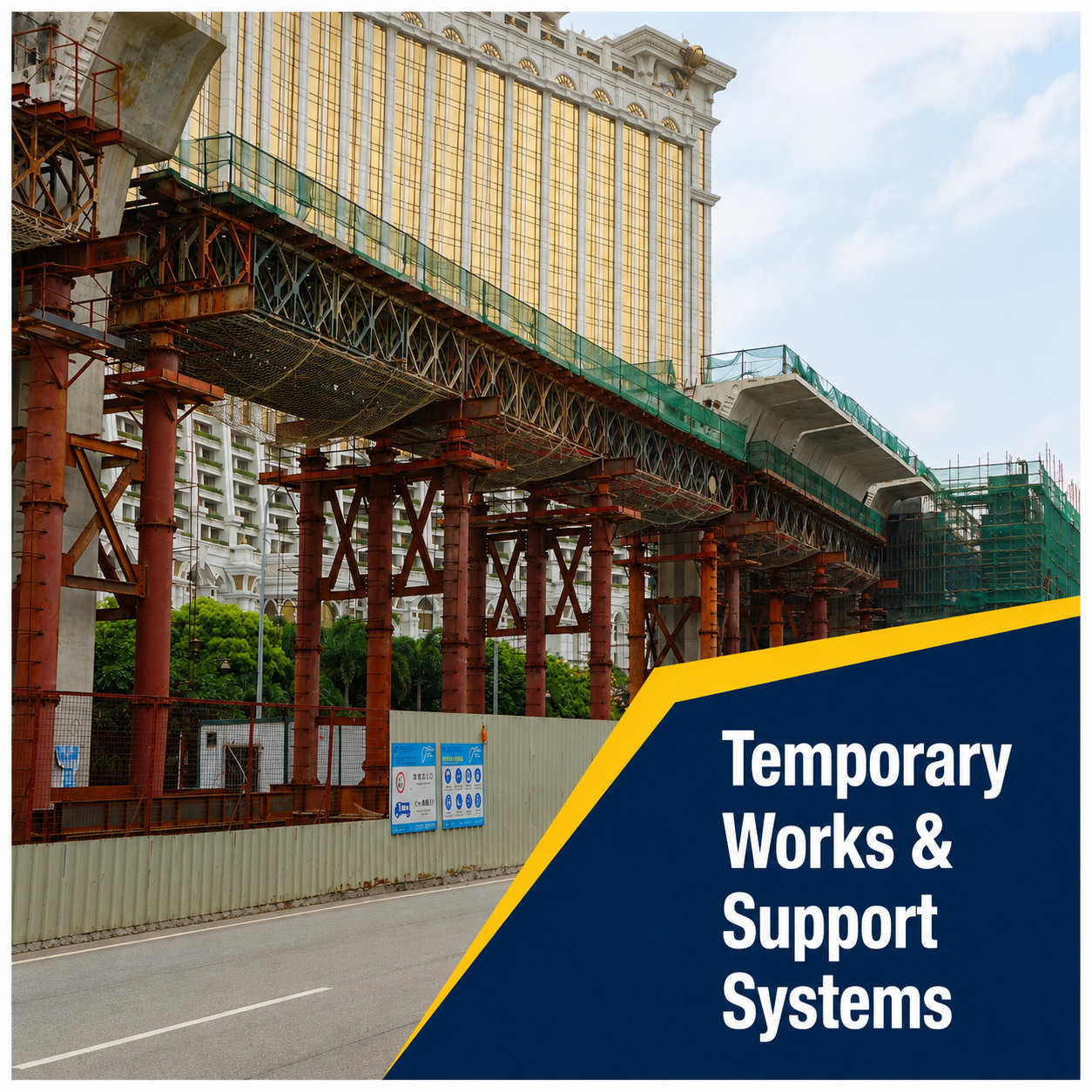
• Temporary support installation
Key Considerations
• Maintain structural balance during erection
• Control deformation during construction
• Ensure accurate segment positioning
5. Stay Cable Installation
Keywords
• Stay cable system
• Strand tensioning
• Hydraulic stressing jack
Description
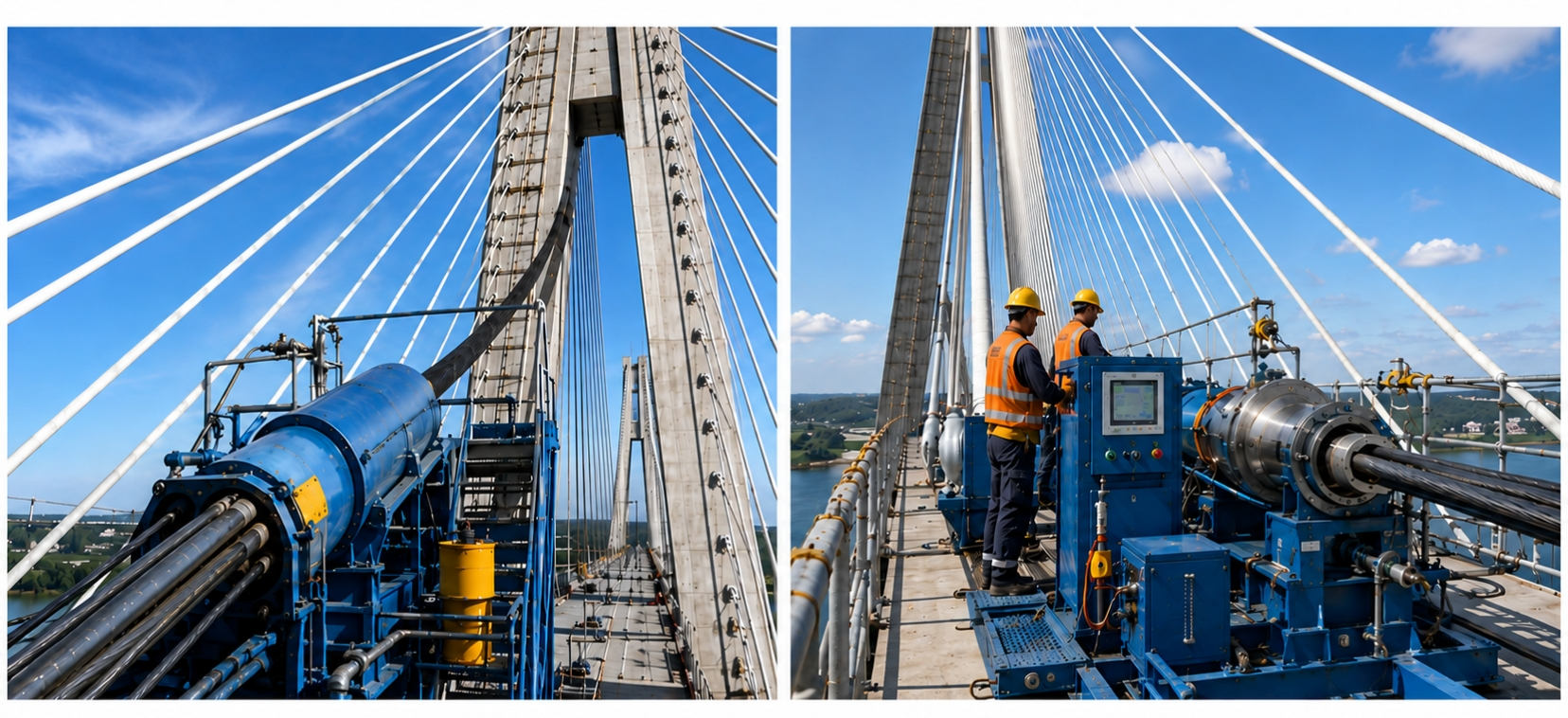
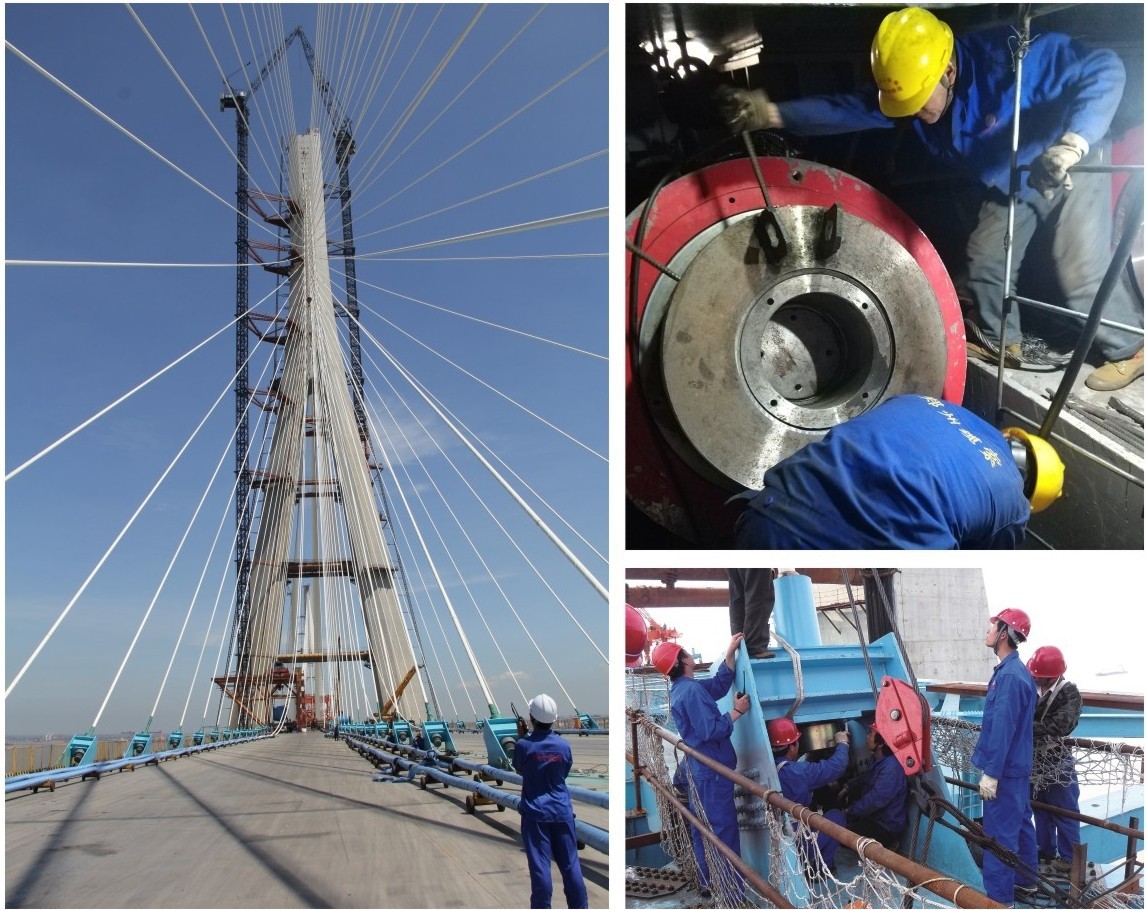
Stay cable installation is one of the most critical stages of cable-stayed bridge construction. The cables transfer loads between the main girder and the tower.
Main activities include:
• Cable installation and anchorage connection
• Steel strand pulling and tensioning
• Hydraulic jack stressing operation
• Cable force measurement and adjustment
Key Considerations
• Accurate cable tension control
• Reliable anchorage installation
• Real-time monitoring of structural behavior
6. Deck Construction
Keywords
• Bridge deck system
• Pavement construction
• Final structural adjustment
Description
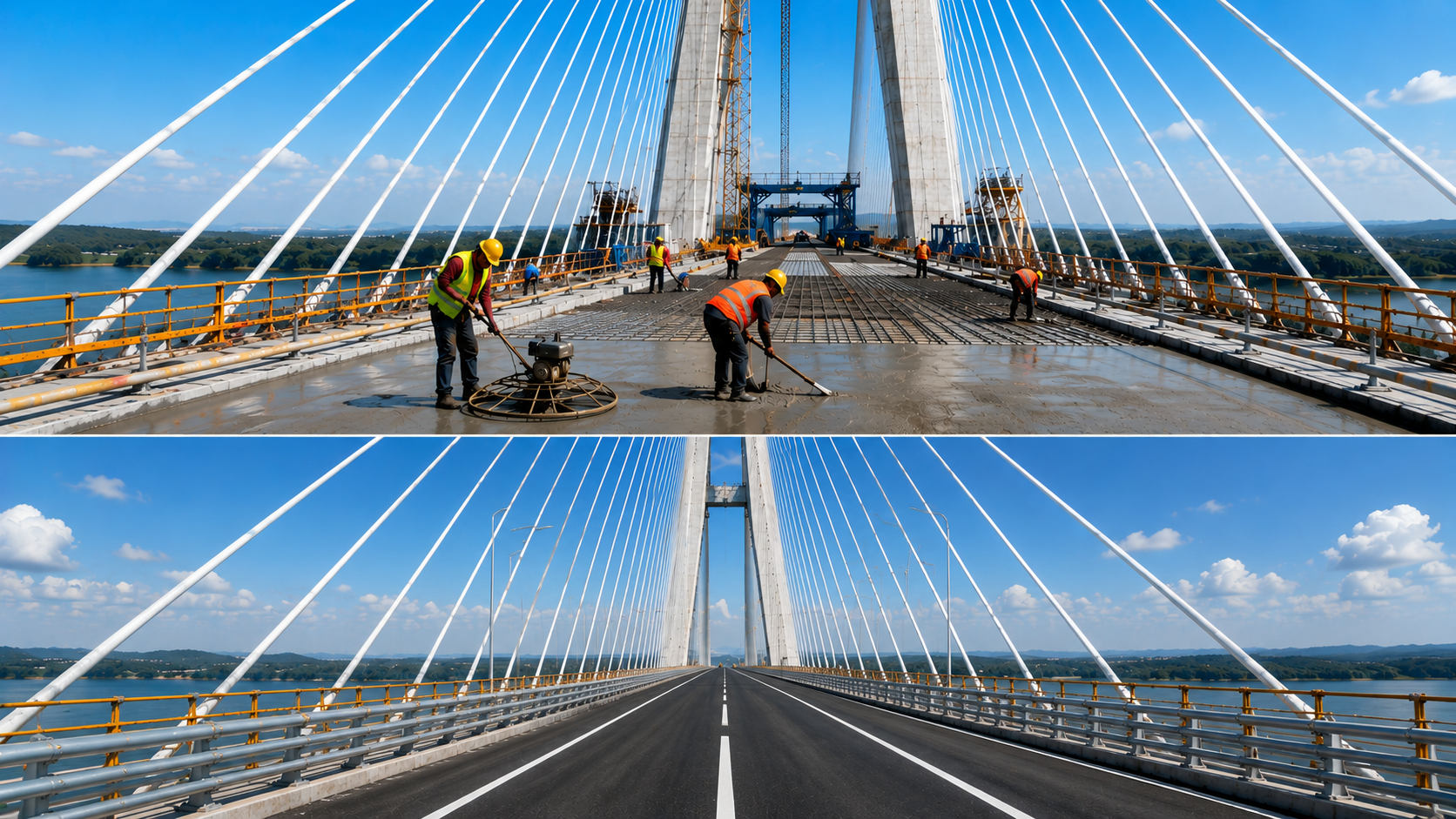
The deck construction stage completes the bridge surface and prepares the structure for operation.
Main activities include:
• Deck slab construction
• Waterproofing and drainage installation
• Pavement construction
• Expansion joint and safety barrier installation
Key Considerations
• Ensure smooth driving performance
• Maintain waterproof durability
• Complete finishing works accurately
7. Completion
Keywords
• Structural inspection
• Load testing
• Bridge opening
Description
The final stage includes comprehensive testing, monitoring, and acceptance before opening the cable-stayed bridge to traffic.
Main activities include:
• Structural health monitoring system installation
• Bridge load testing
• Final inspection and adjustment
• Project acceptance and traffic opening
Key Considerations
• Verify structural safety
• Confirm design performance
• Ensure long-term operation reliability